The future of cities cannot be discussed only through skylines, infrastructure projects, or economic indicators. Across the world, cities are increasingly being shaped by deeper questions around inclusion, climate resilience, affordability, mobility, participation, and dignity. At the 13th World Urban Forum (WUF13) in Baku, Azerbaijan, these conversations came to life through a global gathering of policymakers, urban practitioners, civil society actors, researchers, and young leaders working to rethink the future of urban life.
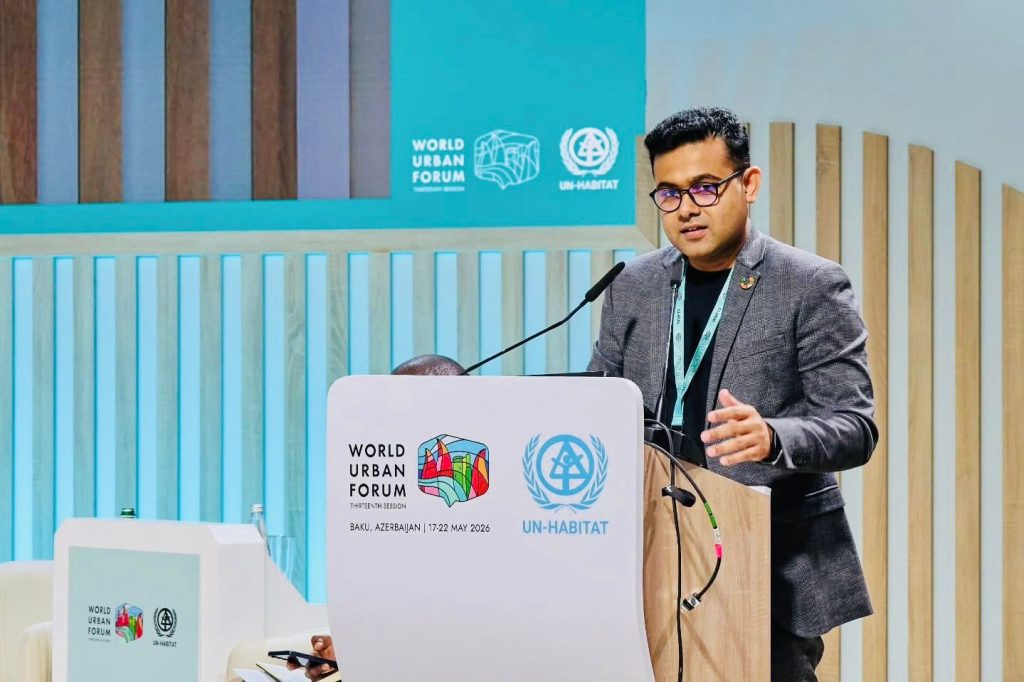
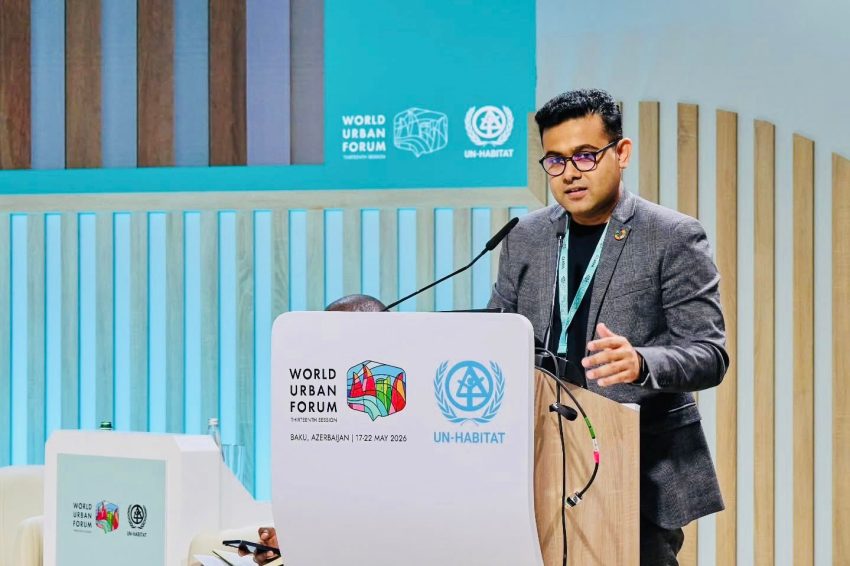
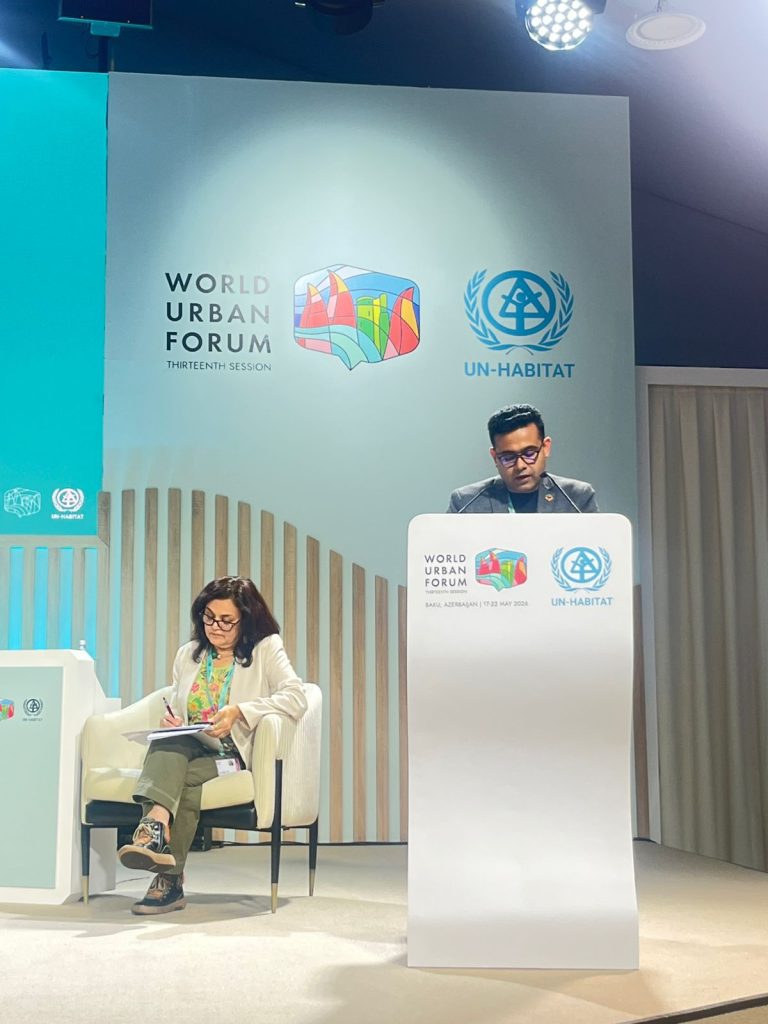
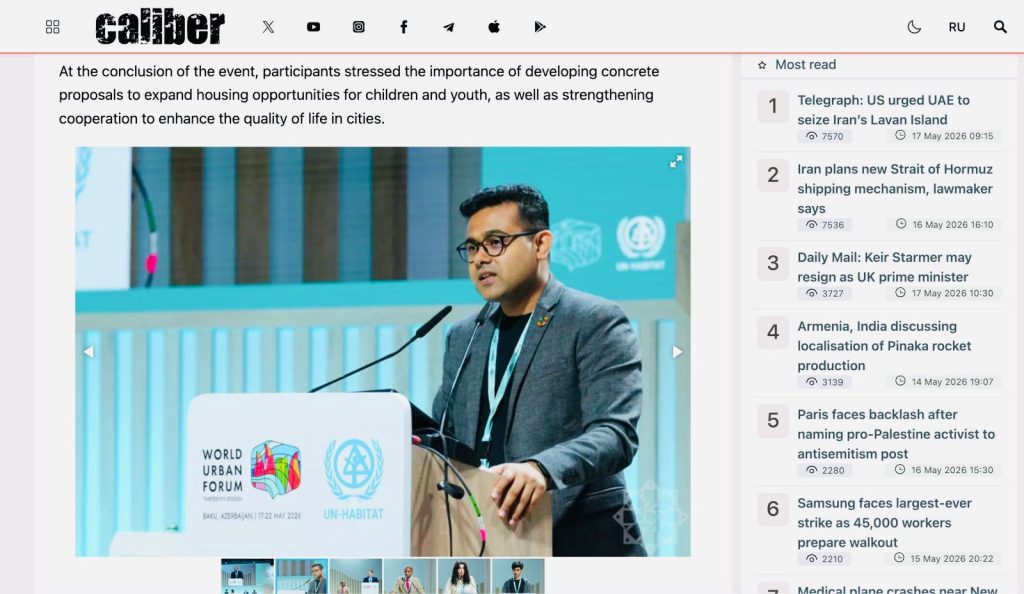
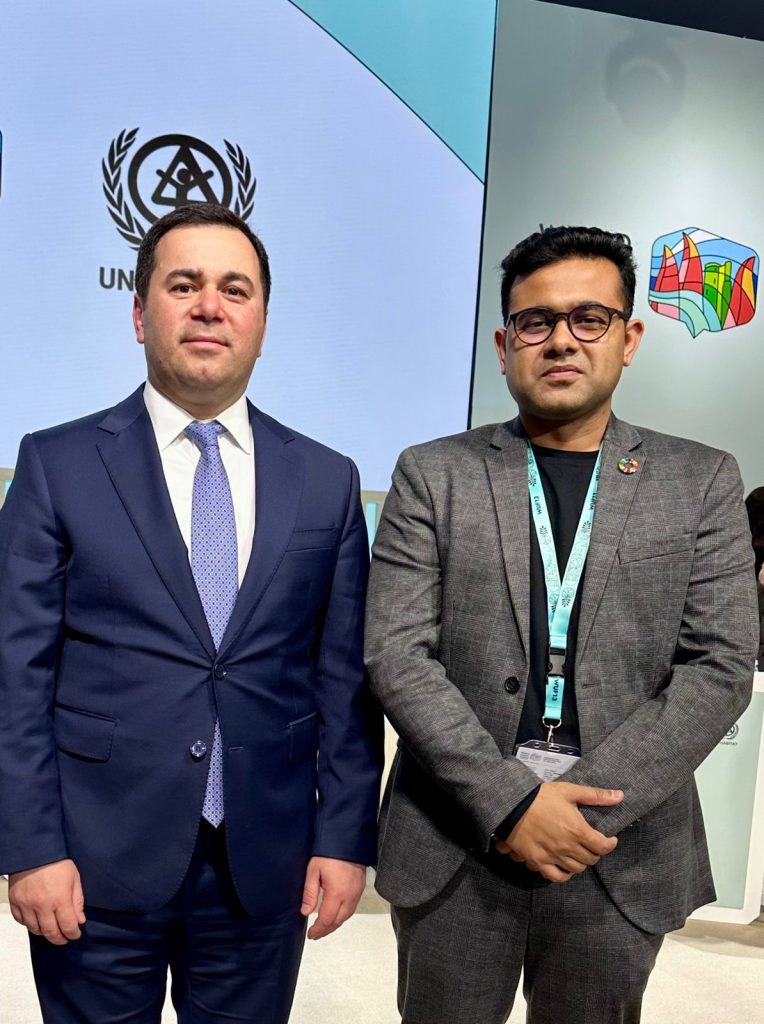
During WUF13, I had the opportunity to speak at both the Opening and Closing Plenaries of the Children & Youth Assembly, while also facilitating the Urban Solutions Lab on “Pathways for Liveability.” It was a privilege to share the space with H.E. Farhad Hajiyev, Minister of Youth and Sports of Azerbaijan, the Regional Director of UN-Habitat, and inspiring experts and youth leaders from across the world who brought diverse experiences and perspectives on urban transformation.
One message strongly resonated throughout the Assembly:
“A livable city is not simply a developed city. It is a city where people can move safely, access opportunities, feel connected to their communities, and live with dignity and wellbeing.”
This idea shaped many of the discussions throughout the forum. Participants reflected on some of the most pressing urban challenges affecting children and young people today – unsafe mobility, traffic congestion, pollution, climate vulnerability, housing affordability, weak public transportation systems, and the lack of safe and inclusive public spaces in rapidly urbanizing environments.
At the same time, the conversations also highlighted a powerful reality: children and young people are already leading solutions in cities around the world.
From youth-led climate resilience initiatives and community-driven public space transformations to participatory governance models, safer street campaigns, waste management movements, and digital civic engagement tools, young people are actively shaping innovative responses to urban challenges within their own communities.
One example I reflected on during the discussions was the Urban Youth Council model in Bangladesh, which SERAC-Bangladesh has established in partnership with city corporations to institutionalize youth participation in local governance. Experiences like these demonstrate that meaningful youth engagement is not only possible, but essential for creating responsive and inclusive urban systems.
However, one important concern emerged repeatedly throughout the forum: youth participation in urban governance often remains symbolic rather than institutionalized.
Many young people continue to be consulted only at the final stages of decision-making processes rather than being included meaningfully from the beginning. In many cities, youth-led initiatives struggle to become integrated into formal planning, budgeting, and governance systems due to limited resources, weak institutional coordination, short-term planning approaches, and lack of political commitment.
If cities genuinely aim to become sustainable, inclusive, and resilient, then participation of children and young people must move beyond token consultation. It must become embedded within governance structures, urban planning processes, policy development, and urban financing mechanisms.
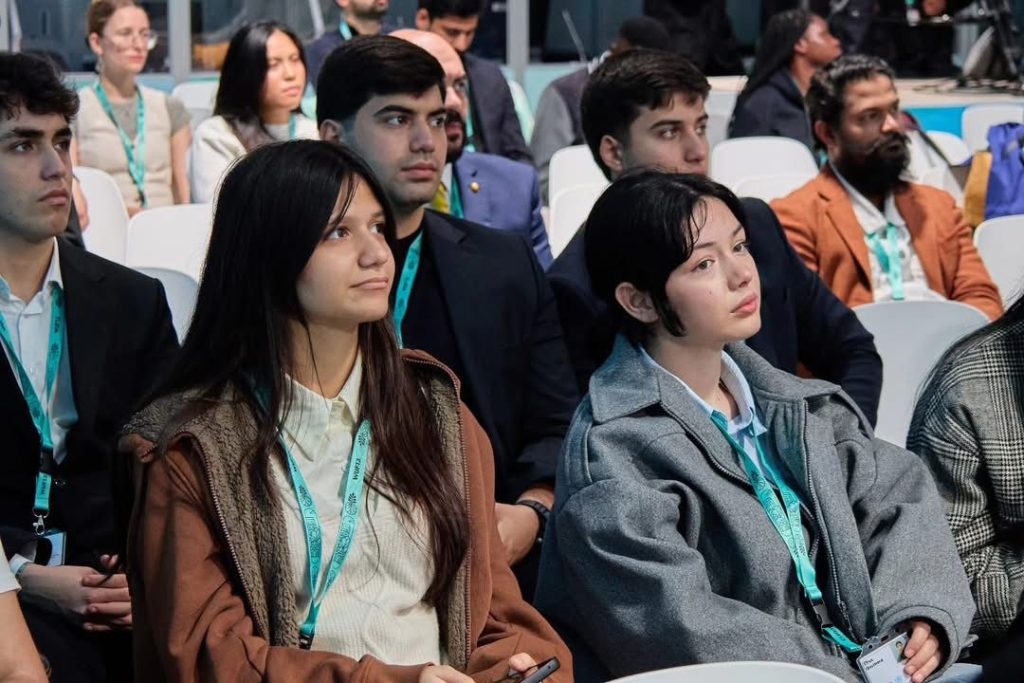
One moment that remained particularly meaningful for me during the Assembly came at the opening of the Urban Solutions Lab. While introducing the breakout discussions, I encouraged participants to see the space not merely as another conference session, but as a living laboratory of ideas, frustrations, creativity, and practical collaboration. The energy, honesty, and imagination that emerged from those conversations reinforced something important: young people are not waiting passively for the future of cities to be decided for them. They are already contributing ideas, building initiatives, and shaping solutions.
Being in Baku for WUF13 also offered an opportunity to experience the city itself. What stood out to me was not only the city’s modern infrastructure, but also the broader elements that contribute to urban livability – accessibility, public spaces, mobility, safety, cleanliness, and the balance between development and cultural identity. These social dimensions are equally important in shaping how people experience urban life.
As urban challenges continue to intensify globally, the need for more inclusive, people-centered, and collaborative urban governance has become increasingly urgent. The future of sustainable cities will not be determined solely by technology or infrastructure investments, but by whether cities are willing to genuinely include communities – especially children and young people – as equal partners in imagining and shaping urban futures.
Because ultimately, young people should not only be included in conversations about the future of cities. They should be recognized as active partners in designing and building them.